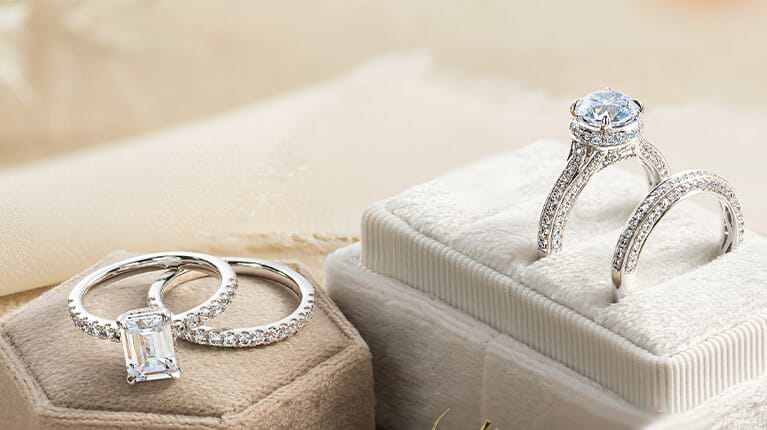
Platinum vs. Gold Lab-Grown Diamond Rings: Which Should You Choose?
When shopping for a lab-grown diamond ring, choosing the right metal is just as important as selecting the perfect stone. Two of the most popular choices for engagement rings and fine jewelry are platinum and gold. While both pair beautifully with lab-grown diamonds, they differ in several key areas—durability, appearance, cost, and long-term value. Here’s a breakdown to help you decide which metal best complements your lifestyle and preferences.
1. Durability and Strength
Platinum is one of the most durable and dense precious metals used in jewelry. It’s resistant to wear and corrosion, making it ideal for everyday rings like engagement or wedding bands. Over time, platinum develops a natural patina—a soft, matte finish that many people appreciate for its vintage look. Unlike gold, platinum doesn’t lose material when scratched; the metal simply displaces.
Gold, on the other hand, is softer and more prone to scratching and bending, especially in its purest form (24k). To improve its strength, gold is alloyed with other metals and sold in various purities like 14k and 18k. 14k gold is harder and more durable than 18k but contains less actual gold. Though gold can withstand daily wear, it may require more maintenance to keep its original shine and shape.
2. Color and Appearance
Both platinum vs gold lab grown diamond rings beautifully, but they offer different aesthetics.
-
Platinum has a naturally white, silvery hue that enhances the brilliance of colorless diamonds. It’s an excellent choice for those who want a bright, modern look without the risk of the metal yellowing over time.
-
Gold is more versatile in color. It comes in:
- Yellow gold: Classic and warm, ideal for vintage or traditional styles.
- White gold: Similar in appearance to platinum but coated in rhodium for added whiteness—this plating may wear off and require reapplication over time.
- Rose gold: Romantic and distinctive, with a pinkish hue due to copper alloys.
Your choice depends on your skin tone, style preferences, and how the metal pairs with your diamond cut and setting.
3. Cost Considerations
Lab-grown diamonds are already more affordable than mined ones, which helps you allocate more of your budget to the metal. However, platinum is more expensive than gold due to its rarity, density, and purity. A platinum ring may weigh more and cost more upfront, but it tends to last longer with fewer repairs.
Gold, especially 14k, is a more budget-friendly choice. It provides a wide range of options across colors and price points. If you want a luxurious look without the higher price tag of platinum, gold is a practical alternative.
4. Allergies and Skin Sensitivities
For those with sensitive skin, platinum is hypoallergenic—an important factor if you’re prone to metal allergies. Some gold alloys, especially those in lower-karat gold or rose gold, may contain nickel or copper, which can irritate sensitive skin. Always check the alloy composition before purchasing.
5. Sustainability and Ethical Impact
Both platinum and gold can be responsibly sourced, and many jewelers now offer recycled metals. When paired with lab-grown diamonds, which have a significantly lower environmental and ethical impact than mined stones, your choice of metal can contribute to a more sustainable ring overall.
Final Thoughts
Choosing between platinum and gold for your lab-grown diamond ring ultimately depends on your personal priorities. If you value durability, low maintenance, and a cool, elegant look, platinum is an excellent long-term investment. If you’re looking for affordability, color variety, and classic appeal, gold offers greater flexibility.
Whichever metal you choose, pairing it with a lab created diamonds ensures you’re getting a stunning, ethical, and modern ring designed to last a lifetime.